ONGOING CHARGING SUPPORT
Help cover your public charging costs
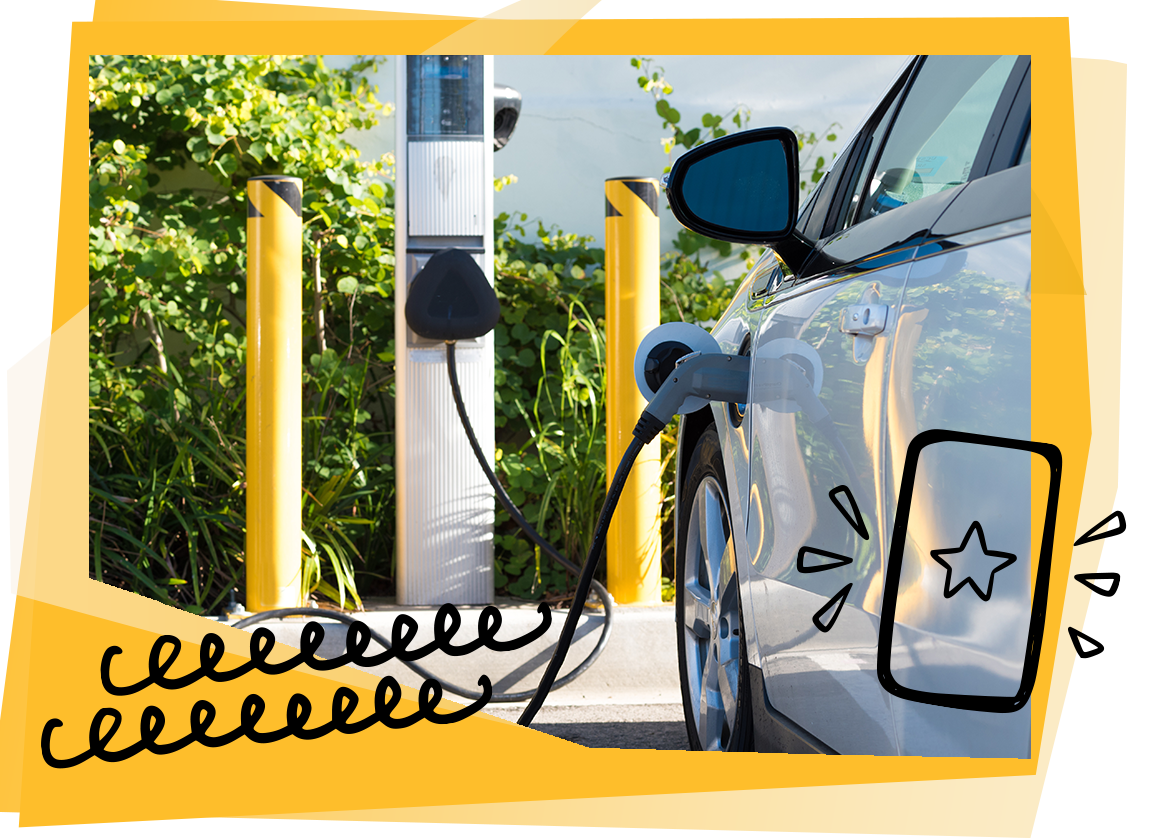
When you receive a RIDE vehicle incentive, you’ll also get RIDE’s Ongoing Charging Incentive: $1,170 per year to help offset fueling costs. It’s available for both battery electric vehicle (BEV) charging and fuel cell electric vehicle (FCEV) hydrogen refueling. Charging support can continue for up to four years ($4,680 total) as long as you remain eligible and complete the renewal annually. Charging support is tied to the vehicle you received the RIDE incentive for and isn’t offered separately.
CHARGING ON THE GO
How to find public charging
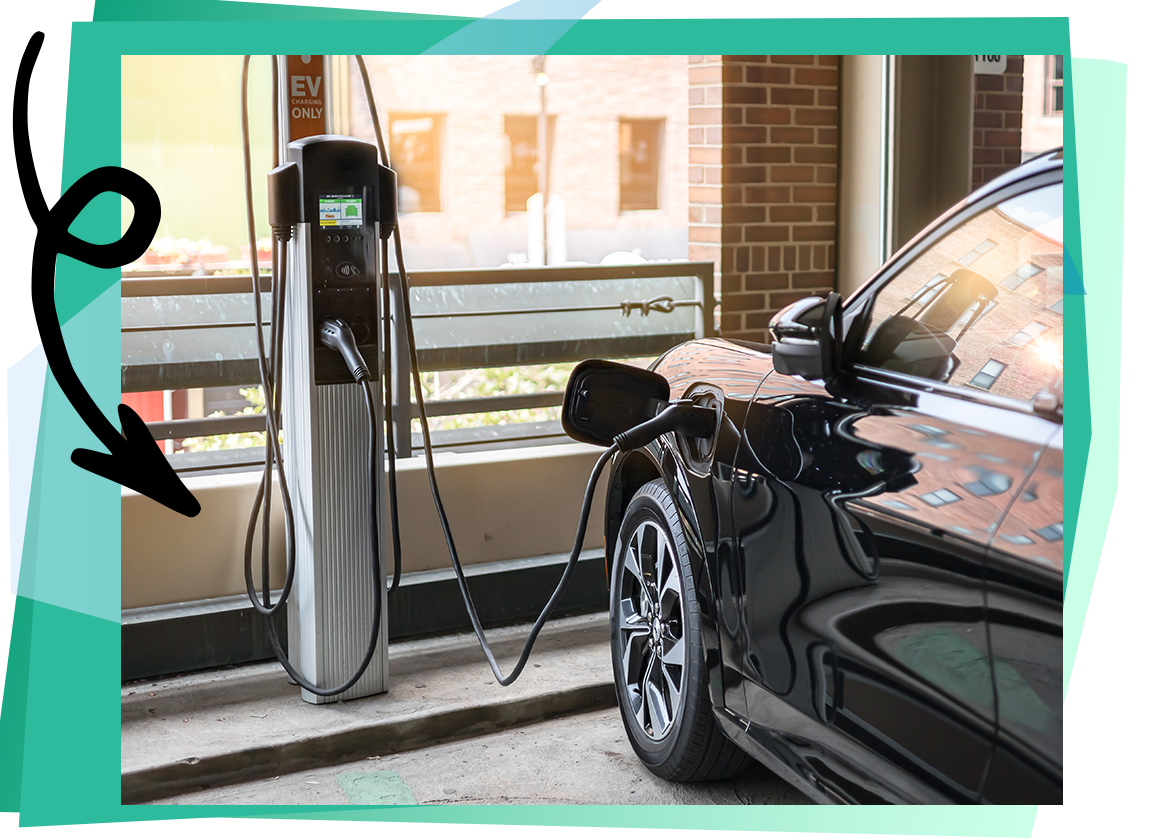
California’s public charging network gives rideshare drivers flexibility throughout the day. Many locations offer Level 2 charging, which may be free or paid depending on the site, while DC fast charging is widely available and requires payment. Most drivers use both: Level 2 when time allows and fast charging when they need to add range quickly. Most BEVs use standardized connectors, and some vehicles may need an adapter to use certain charging stations or networks.
Refueling hydrogen vehicles is similar to stopping for gas, but station availability is limited across the state. It helps to plan ahead and check online maps for station location, availability and operating status.
Visit the Resources page for apps that locate EV charging and hydrogen fueling stations.
Types of Charging
How long it takes to charge
Not all chargers are the same. Here’s a quick breakdown:
Level 1
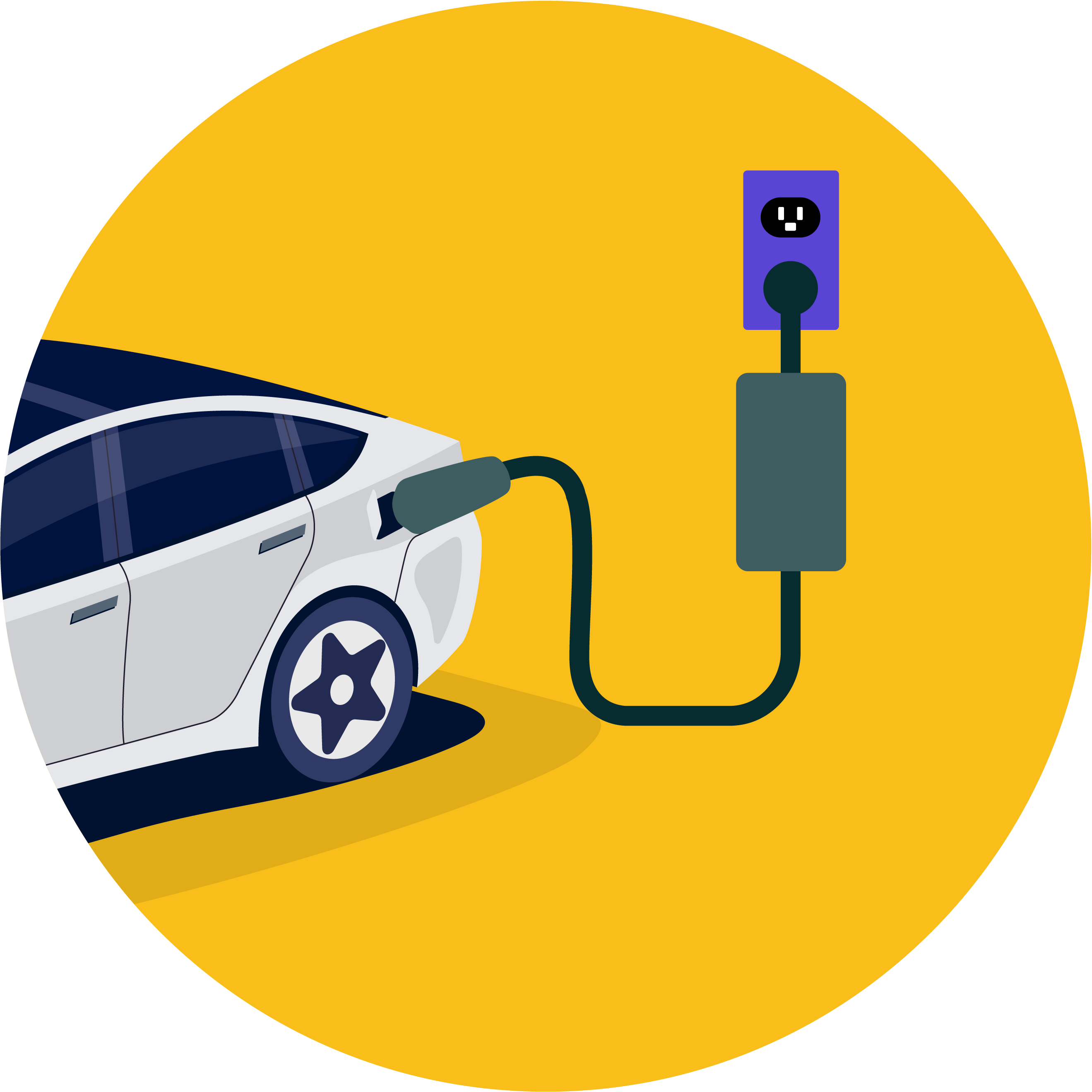
Standard household outlets are the slowest option and are adequate for overnight or emergency use. Level 1 charging adds about 3.5 – 6.5 miles of driving range per hour of charging time.
Level 2
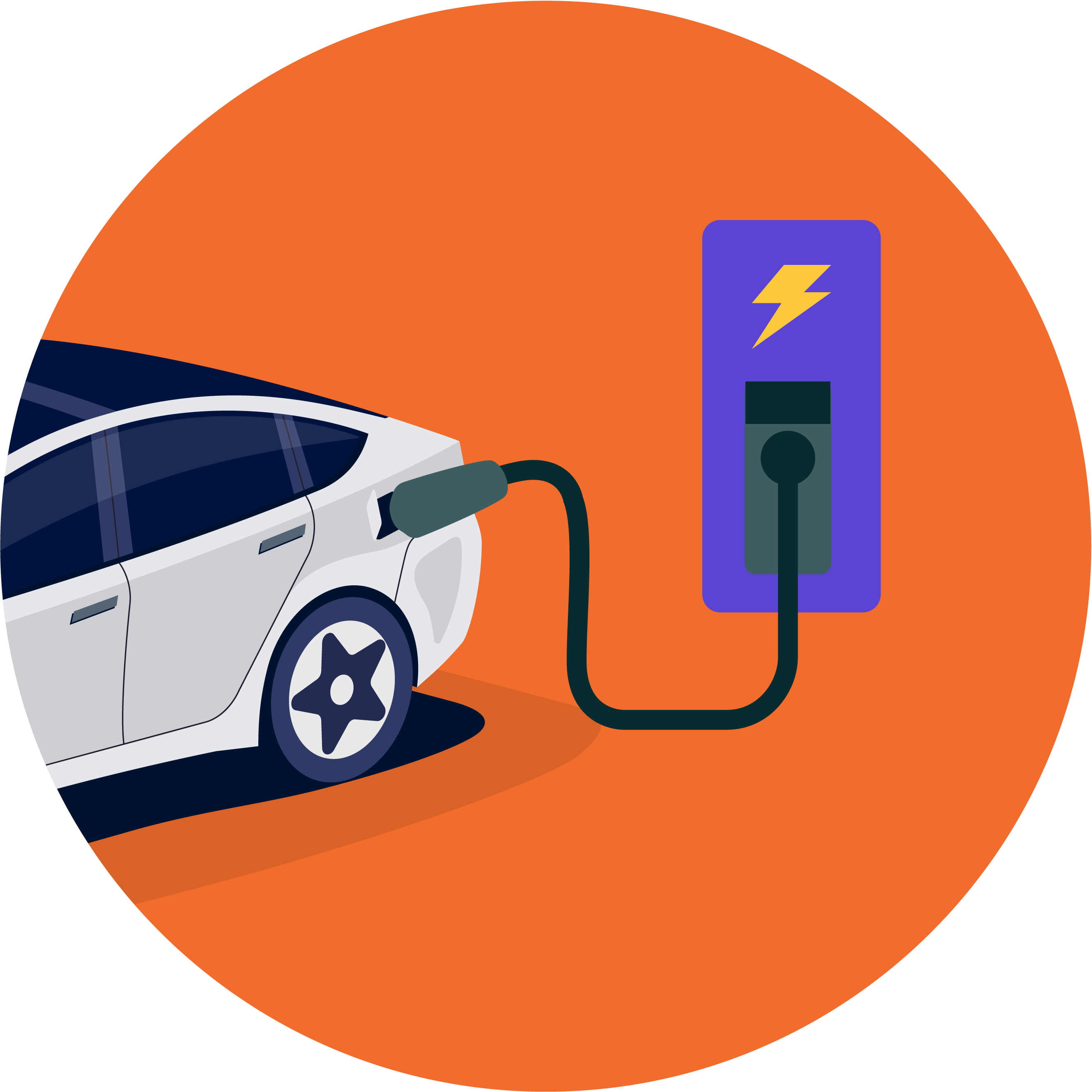
A Level 2 charger can currently produce a full charge for a 300-mile range battery in about 6-8 hours and is perfect for destination and overnight charging. These faster chargers are widely used in homes and commonly found at public locations and workplaces.
DC Fast Charging/
Supercharging (Level 3)
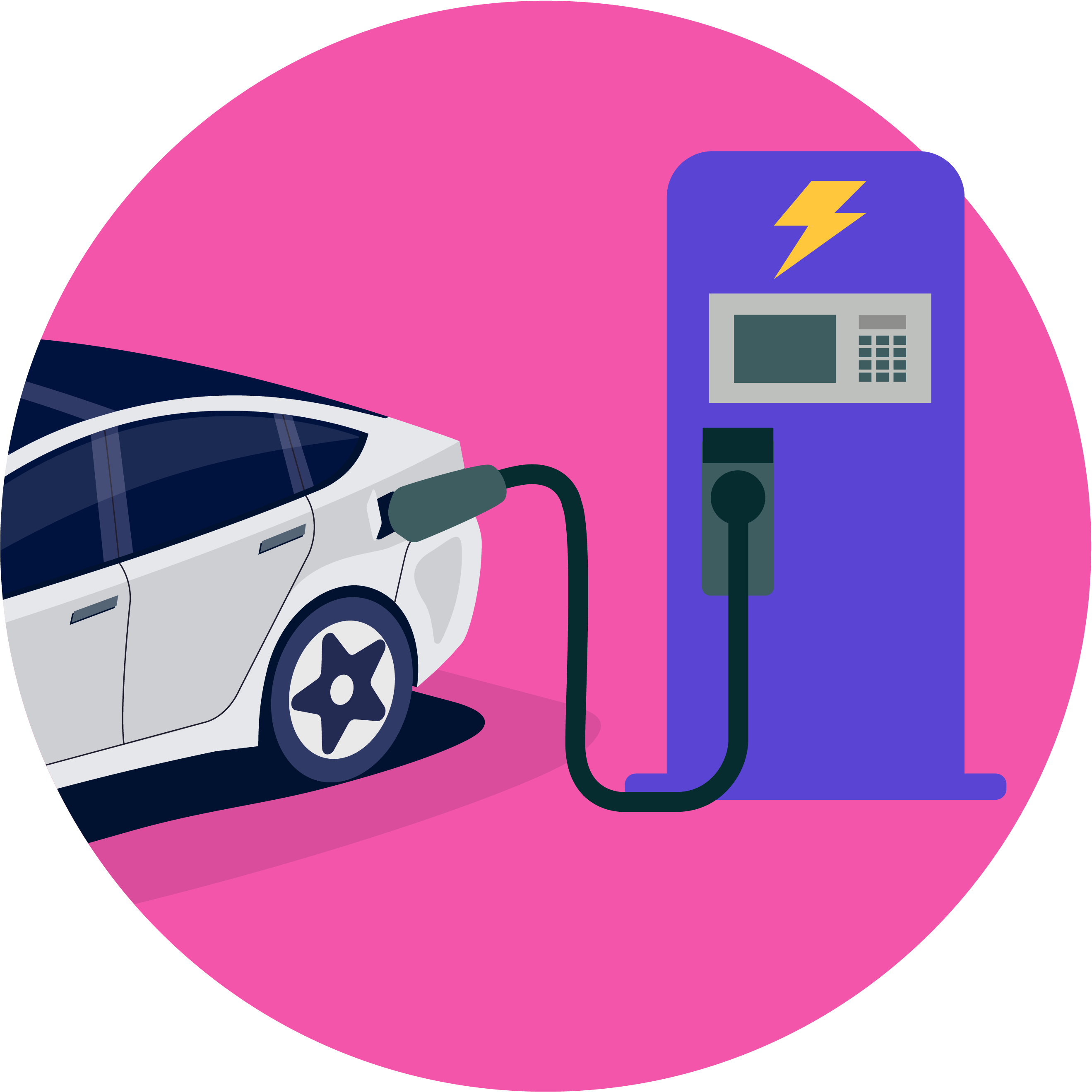
Fast chargers are often found at shopping centers, commercial areas and along major travel corridors. Depending on the EV, DC fast chargers can currently produce a 10-80% charge for a 300-mile range battery in approximately 20 minutes (~540 miles of electric drive per hour of charging).
Estimated Cost per 100 Miles:
California EV Charging vs. Gasoline & Hydrogen
Charging Method | Rate (per kWh) | Cost per 100 Miles |
|---|---|---|
Home Charging | ~$0.26 (TOU*) | ~$7 |
Public Level 2 | ~$0.30 | ~$8 |
DC Fast Charging | ~$0.40–$0.50 | ~$11 |
Gasoline | ~$20 (25 mpg, $5/gal) | |
Hydrogen | ~$55 (65 mi/kg, $36/kg) |
* Time of use
CHARGING AND FUEL COSTS
Fueling cost comparison
Fueling costs add up fast when you drive for a living. Compare estimated fueling costs per 100 miles across different options to see how driving electric can help reduce your operating costs.
HYDROGEN: WHAT TO CONSIDER
Is a fuel cell EV right for my business?
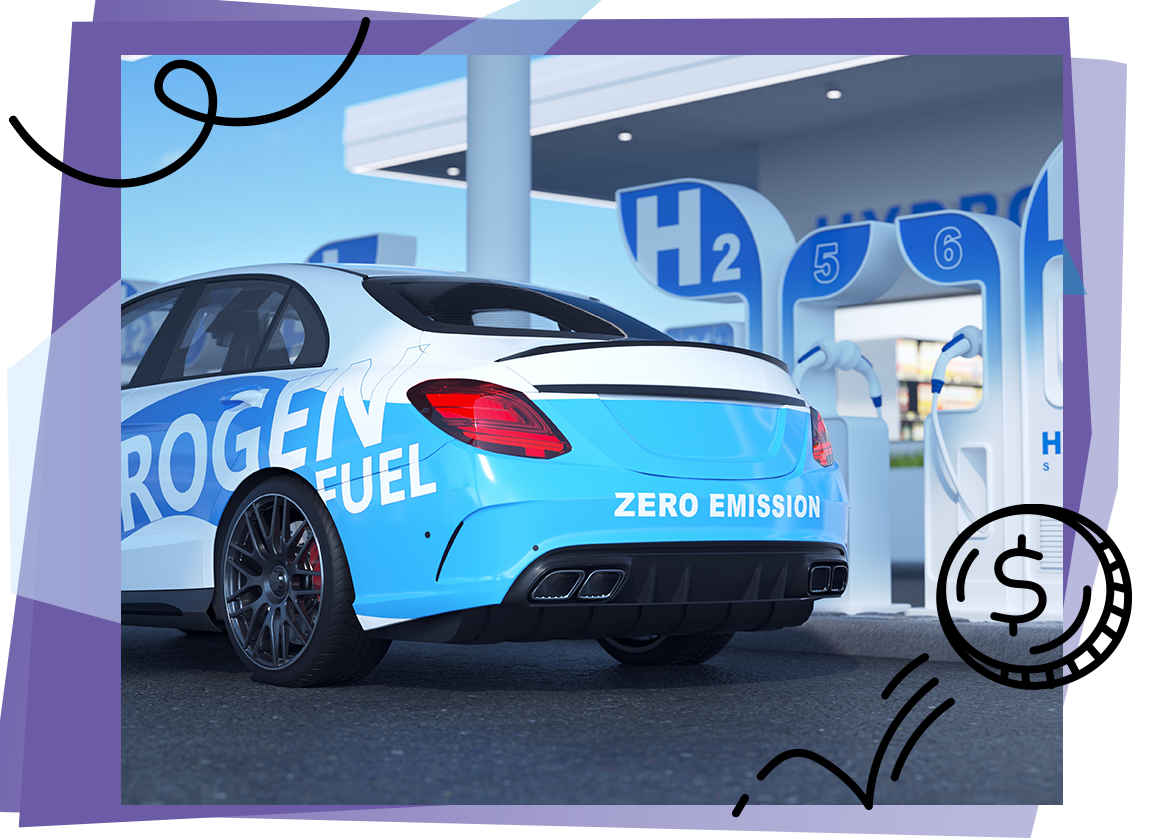
Fuel cell EVs refuel in about five minutes and typically deliver 300+ miles of range, making them ideal for quick turnarounds. However, stations are limited to certain metro areas, so routes matter. If you stay within hydrogen coverage areas, a fuel cell EV can work well. If you drive long distances or go beyond major corridors, a battery electric vehicle may be more flexible.