
Benefits of driving electric
Why drive an electric vehicle?
EVs can lower operating costs and make long driving days more comfortable.
Maintenance
EVs have fewer moving parts than gas vehicles, which means less routine maintenance, fewer shop visits and lower maintenance costs over time. With no oil changes or smog checks and less wear on some components, downtime is reduced year after year. Hydrogen vehicle maintenance is similar, with periodic manufacturer inspections and maintenance.
Charging and fueling
Charging an EV is easier than many drivers expect. Charging at home overnight, when electricity rates are often lowest, is typically the most convenient and cost-effective option. For drivers who can't charge at home, especially highly active rideshare drivers, renters and multi-unit residents, public Level 2 charging and DC fast charging can help keep you on the road by allowing you to charge between rides or during breaks.
Driving experience
With an EV, you get a quieter ride and smooth, responsive acceleration with no engine noise and no gear shifting. Instant torque can make merging and city driving feel easier, with less fatigue and greater comfort for you and your passengers.
Total Cost of Ownership Calculator
How much does it cost to own an EV?
The Total Cost of Ownership (TCO) Calculator is an interactive tool that allows users to compare the costs of owning and operating gas-powered and electric vehicles, and to explore how changes in variables — such as monthly insurance costs or electricity prices — can impact overall costs.
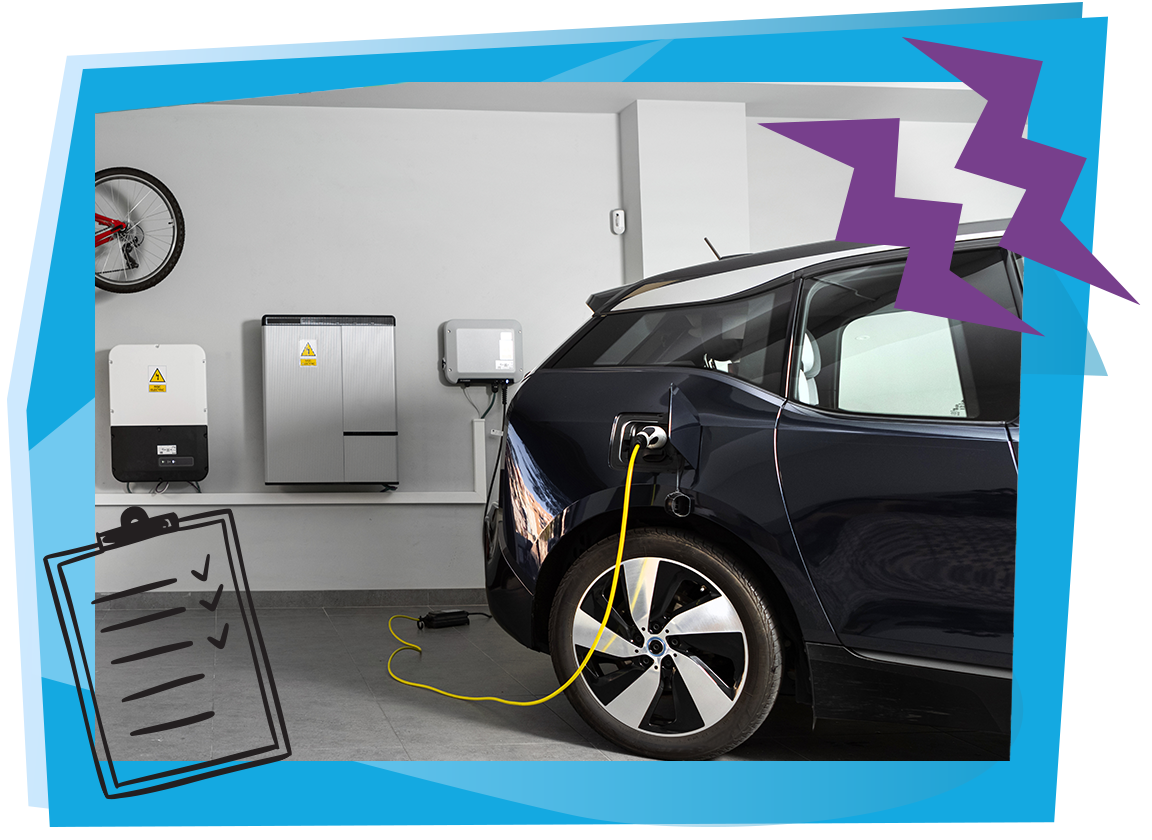
ALL-ELECTRIC, ALL THE TIME
Battery electric vehicles
Battery electric vehicles (BEVs) run entirely on electricity, with no gas engine. Many BEVs offer 200–350+ miles of range on a full charge. Unlike gas-powered vehicles, BEVs can get even more range in stop-and-go city driving because regenerative braking helps recharge the battery while you drive. Most drivers charge at home, and public charging is widely available — including DC fast charging, which can add 100 miles or more of range in about 30 minutes.
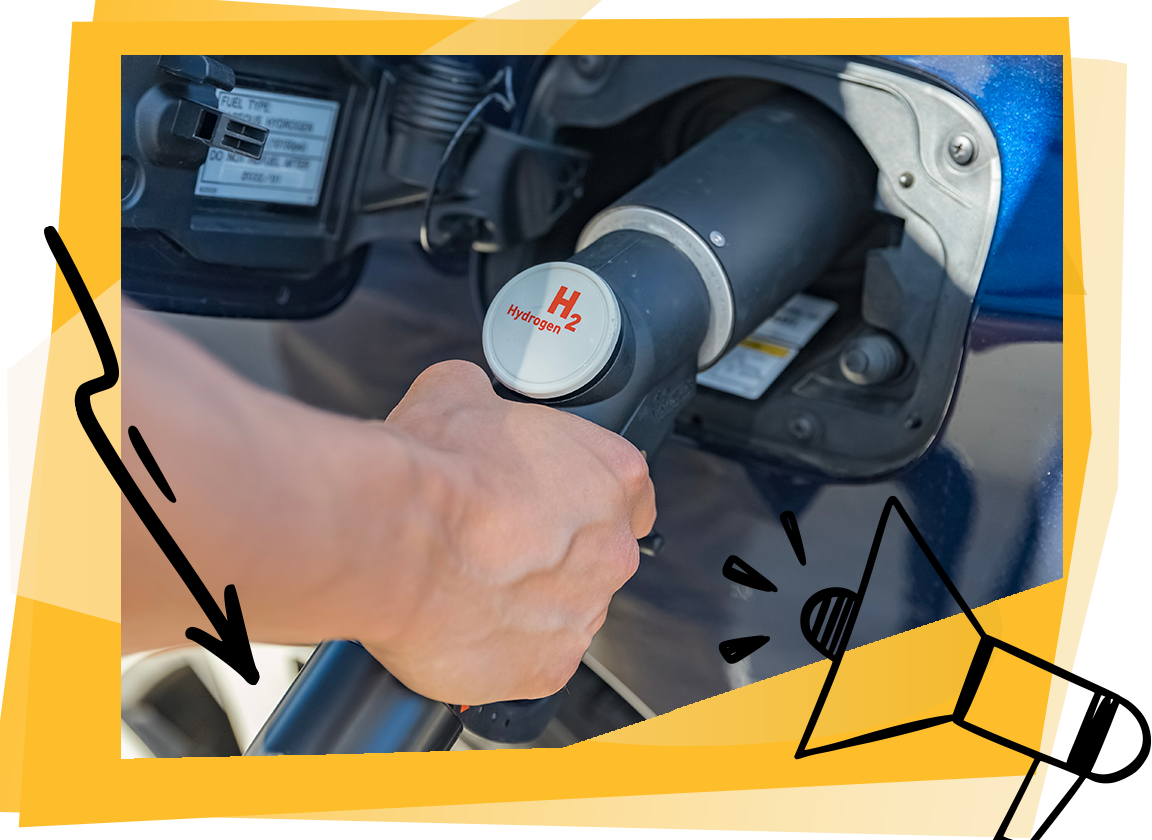
MAKES ITS OWN ELECTRICITY ONBOARD
Fuel cell electric vehicles
Fuel cell electric vehicles (FCEVs) run on compressed hydrogen gas stored in a tank. A fuel cell converts the hydrogen into electricity on board so there’s no plugging in. Many models can refuel in about five minutes and offer driving ranges of 300 miles or more. Hydrogen station availability varies by region, so plan ahead by checking the hydrogen station map for locations.